
Wellness Blog Posts

Cancer and The Unheard Cry of The Mind
Releasing suppressed emotions during Cancer treatment may be the missing link in your treatment.
Research indicates that unresolved emotional trauma and chronic emotional suppression can contribute to disease progression. This cannot be ignored if we desire a more favorable treatment outcome.

When There's No One in the Waiting Room with You
A client recently shared that while she sat in the waiting room, she noticed that everyone else had someone with them, someone who held their hand, while hers sat empty because she had no one to support her.
She wasn’t complaining. She simply stated, “I don’t have anyone who can support me in this way, and I know that support is important.” According to research, she’s right. Support is very important, and not all of us have it.
If you do not have this kind of support. If, after saying the word "cancer" out loud for the first time, you’ve heard only silence. If you've caught yourself apologizing for needing help, as though needing it were the failure rather than the circumstance, and if you've smiled through an appointment, driven yourself home, and cried alone in the car so no one would have to carry it for you, this is for you.

The Silver Lining of Cancer - And why you're allowed to stop looking for it.
The silver lining of cancer, if it ever comes for you, will not be something you manufactured. It won't be the reason you got sick — it isn't. And it won't be a prize handed out for suffering correctly. It will simply be something you notice, one ordinary day when you weren't looking for it, about who you've become and what you now hold close.
And if it never comes? You have lost nothing. You are not behind. You are not doing this wrong.
You are a human being, facing one of the hardest things a human being can face, exactly as you are. That has always been enough.
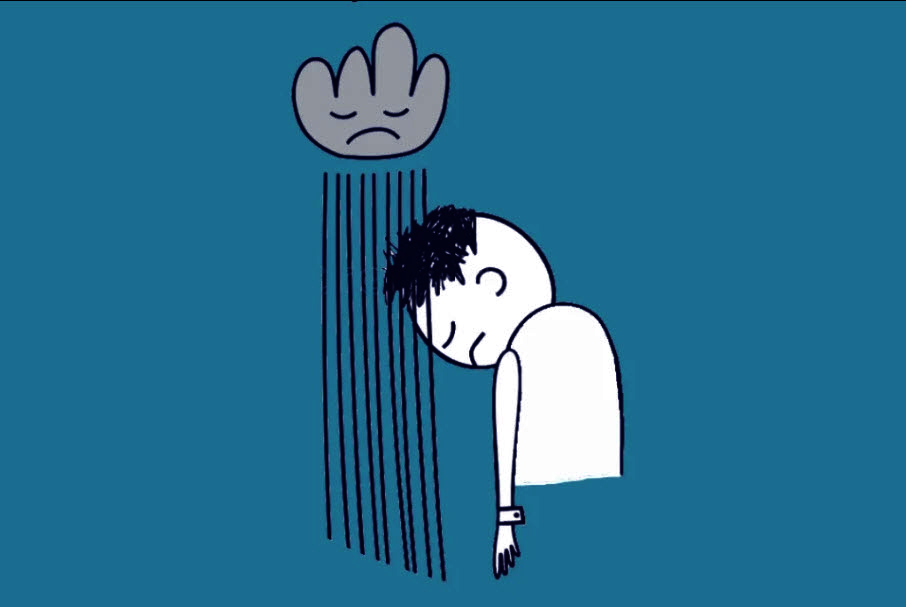
Helplessness, hopelessness: two feelings your body listens to
A Tapping practice you can do with your own two hands to resolve the two feelings that tend to show up in treatment: Helplessness and Hopelessness. They rarely announce themselves. They arrive quietly, usually late at night, and they sound something like this:
Nothing I do makes any difference.
And nothing is going to get better.
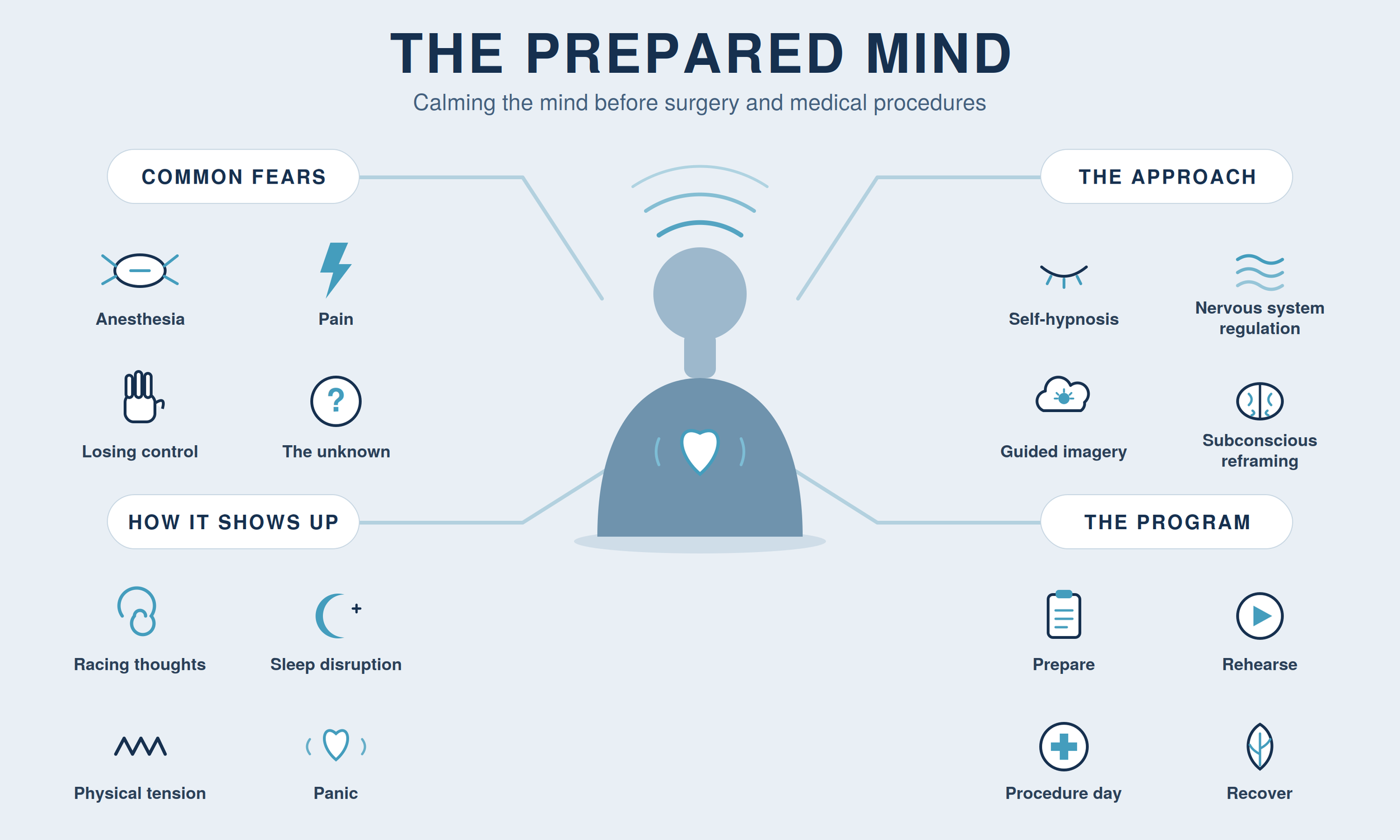
The Weeks Before Surgery Are a Medical Event Too
If you have surgery scheduled, you are probably discovering something that rarely gets discussed at pre-op appointments: the waiting is its own ordeal. The procedure has a surgeon, an anesthesiologist, and a care team. The three weeks before it have only you, at 2 a.m., rehearsing everything that could go wrong.
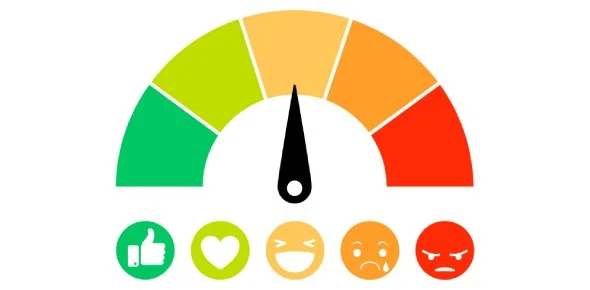
Stress Isn't Something You Manage — It's Something You Respond To
We all know that it’s important to keep our stress levels in check, but often, with the pace of life, and certainly with the onset of an illness such as cancer, that is easier said than done. If you’ve tried different ways to maintain a healthy level of stress but nothing worked, here is what I teach every one of my clients.

What Actually Got Me Through Cancer Treatment
When I started chemo, I thought the hard part would be the physical side effects. The nausea, the fatigue, the way my body would change. I read everything I could find about side effects so I'd know what to expect, but I didn't prepare for the dread.
It wasn’t the fear of dying that I found difficult to handle; it was something smaller and somehow harder to name.

Trauma and the 95% of Your Mind That Therapy Usually Never Reaches
Here's something worth knowing about your mind.
The part of you reading this sentence — the part that thinks, reasons, weighs the options, talks things through — feels like the whole of you. It isn't. It's a sliver. The conscious, deliberate, I'm-aware-I'm-doing-this part of your mind is usually described as accounting for only around 5% of your mental activity.
The other 95% runs underneath. Quiet. Automatic. Always on.

Hypnotherapy for Cancer - What the Research Shows and How It Works
For over twenty-five years, I have worked with cancer patients in the Boston area using an advanced form of clinical hypnotherapy as the primary therapeutic tool in their recovery support. The results I have witnessed in that time are consistent with what the research has been showing for decades: that the mind is not a bystander in the healing process, and that addressing it directly, through clinical hypnotherapy, produces measurable, meaningful outcomes for people navigating cancer.

Trauma – The Unfinished Business of the Mind
Trauma – The Unfinished Business of the Mind.
If despite years of therapy you still sense, the anxiety, hypervigilance, and the shame that surface at the strangest moments are still there. And if you continue to feel inexplicably unsafe in a world that, on paper, is no longer threatening. It may mean that you’ve worked in the wrong part of your mind.
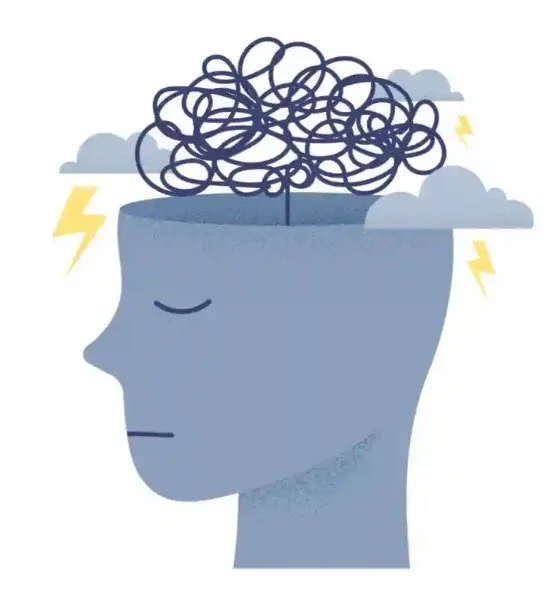
Why You Can't Think Your Way Out of Trauma
Why You Can't Think Your Way Out of Trauma.
Understanding your wound isn't the same as healing it — here's what actually moves the needle.
You've done the work. You've sat across from therapists, filled journals, and read the books. You understand, probably better than most people, exactly where your pain came from. You can trace it — the childhood moment, the relationship, the loss — with clarity and even a kind of compassion.

Introduction to Psychoneuroimmunology (PNI)
Psychoneuroimmunology (PNI) Introduction
There's a sense that many people living with cancer describe: a sense that their emotional state — their fear, their stress, their hope — is somehow connected to what's happening in their body. Some of us call it the Mind-Body Connection, but modern science has a name for that connection. It's called psychoneuroimmunology (PNI).

When to Hire a Cancer Coach
When to Hire a Cancer Coach?
What is cancer coaching? When to hire a cancer coach? These are questions I get daily in my consultations. Find the answers to these questions in this post, and learn if cancer coaching is right for you.

The 4 Pillars of Mindful Remission
The 4 Pillars of the 8-week Mindful Remission program support nervous system regulation and promote self-agency, mindset, and quality of life.

What Your Immune System Is Waiting for You to Understand
Cancer wellness and enhanced immune function during medical treatment provide crucial support for lasting recovery.

Cancer, Integrative Medicine, and Your Family
What do you do when your family is not on board with your wish to integrate complementary medicine services?

Clinical Hypnotherapy in Cancer Care
This white paper on Hypnotherapy for Cancer Recovery sheds light on the benefit of integrating hypnotherapy into your conventional medical cancer care.
The Unheard Cry: Why Releasing Suppressed Emotions During Cancer Treatment Strengthens Your Immune System
Releasing suppressed emotions while going through medical cancer treatment isn’t a luxury - it is a necessity.

Your Subconscious Mind is Your Book of Life
In The Power of Your Subconscious Mind (1963), Dr. Joseph Murphy famously wrote, “Your subconscious mind is your book of life.” As a hypnotherapist, I’ve spent over two decades delving into the fascinating world of the mind, and this powerful statement has proven itself true time and time again.

Magnetizing the Mind – Healing the Body
Just as magnetized steel can lift heavy loads far beyond its physical weight, your body can more readily heal itself and function at its optimal capacity when activated with the right mindset.

Can Your Subconscious Mind Aid in Physical Healing?
Your subconscious mind is the storehouse of information and beliefs that operate beneath the surface of our conscious awareness. Operating 24/7 without conscious effort controls countless bodily functions - from body temperature to hormone production to immune response. It works tirelessly to maintain your state of health, and it can be intentionally directed or imprinted as a mental mechanism to support and promote your physical healing.

Watch "The Remission Blueprint," A New Video About the Crucial Missing Piece to Your Cancer Healing and Recovery.
