
Wellness Blog Posts

Cancer and The Unheard Cry of The Mind
Releasing suppressed emotions during Cancer treatment may be the missing link in your treatment.
Research indicates that unresolved emotional trauma and chronic emotional suppression can contribute to disease progression. This cannot be ignored if we desire a more favorable treatment outcome.

What Actually Got Me Through Cancer Treatment
When I started chemo, I thought the hard part would be the physical side effects. The nausea, the fatigue, the way my body would change. I read everything I could find about side effects so I'd know what to expect, but I didn't prepare for the dread.
It wasn’t the fear of dying that I found difficult to handle; it was something smaller and somehow harder to name.

Trauma and the 95% of Your Mind That Therapy Usually Never Reaches
Here's something worth knowing about your mind.
The part of you reading this sentence — the part that thinks, reasons, weighs the options, talks things through — feels like the whole of you. It isn't. It's a sliver. The conscious, deliberate, I'm-aware-I'm-doing-this part of your mind is usually described as accounting for only around 5% of your mental activity.
The other 95% runs underneath. Quiet. Automatic. Always on.

Trauma – The Unfinished Business of the Mind
Trauma – The Unfinished Business of the Mind.
If despite years of therapy you still sense, the anxiety, hypervigilance, and the shame that surface at the strangest moments are still there. And if you continue to feel inexplicably unsafe in a world that, on paper, is no longer threatening. It may mean that you’ve worked in the wrong part of your mind.
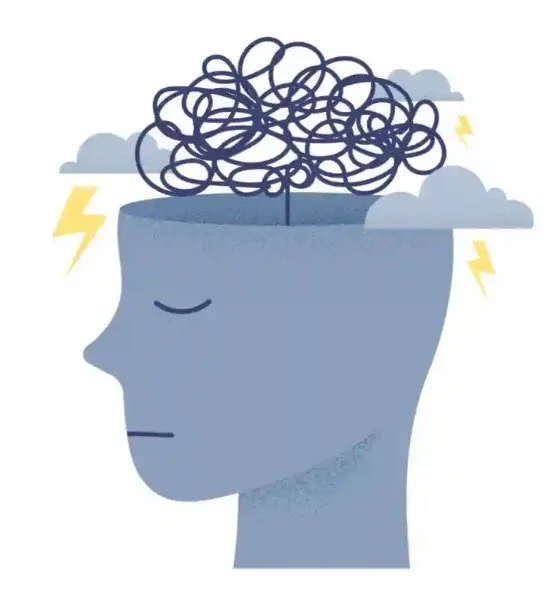
Why You Can't Think Your Way Out of Trauma
Why You Can't Think Your Way Out of Trauma.
Understanding your wound isn't the same as healing it — here's what actually moves the needle.
You've done the work. You've sat across from therapists, filled journals, and read the books. You understand, probably better than most people, exactly where your pain came from. You can trace it — the childhood moment, the relationship, the loss — with clarity and even a kind of compassion.

Is Your Inner Speech Pleasant to the Bones?
If we subscribe to the notion that our external world is an objective reality that exists outside of and separate from us, then we view ourselves as victims of external events and circumstances that are beyond our control.

Radical Remission #1 Factor for Healing Cancer
In her book Radical Remission, Dr. Kelly Turner highlights nine key factors that can make a real difference in surviving cancer. One of these factors is Releasing Suppressed Emotions. Let's explore the most effective way to do so. Watch the video for more.

Cancer, Trauma, and Integrative Medicine: What You Need to Know
When cancer patients discuss Integrative Medicine with their medical practitioners, they are often met with some level of reluctance, and that's because... Watch the video for more.

How Addressing the Root Cause Can Heal Trauma
Trauma can feel like an ever-present shadow, impacting our thoughts, emotions, and behaviors. We cope in the best ways we know how, but sometimes, those strategies can leave us stuck. While managing symptoms is important, true healing often involves addressing the root cause of the trauma.

Your Beliefs Impact Your Recovery from Illness
Your mental programming, mindset, and beliefs directly influence your experience and, therefore, your ability to recover! For those facing cancer, this is a message worth hearing.

How to Fight Cancer With Your Emotions
At first glance, this notion of fighting cancer with emotions may seem way off-target. After all, we fight cancer with medicine and medical treatment. But our body and mind are not separate systems; they are one integrated system. What do emotions have to do with fighting cancer? A lot.

Cancer and Trauma Recovery
A cancer diagnosis and subsequent treatment can be deeply traumatic. Experiences like invasive procedures, fear of the unknown, and loss of control trigger stress responses similar to those in traditional trauma. This is why we must talk about the complex relationship between cancer and trauma and find ways to address it.

What is Cancer PTSD?
Facing a cancer diagnosis and all the change that follows can be daunting. We were never taught how to process and cope with any life-threatening illness, especially cancer. The result of being so unprepared for this physical, mental, and emotional injury is Cancer Post Traumatic Stress Disorder, better known as PTSD.

Watch "The Remission Blueprint," A New Video About the Crucial Missing Piece to Your Cancer Healing and Recovery.
